Alle Menschen sind Ausländer. Fast überall.


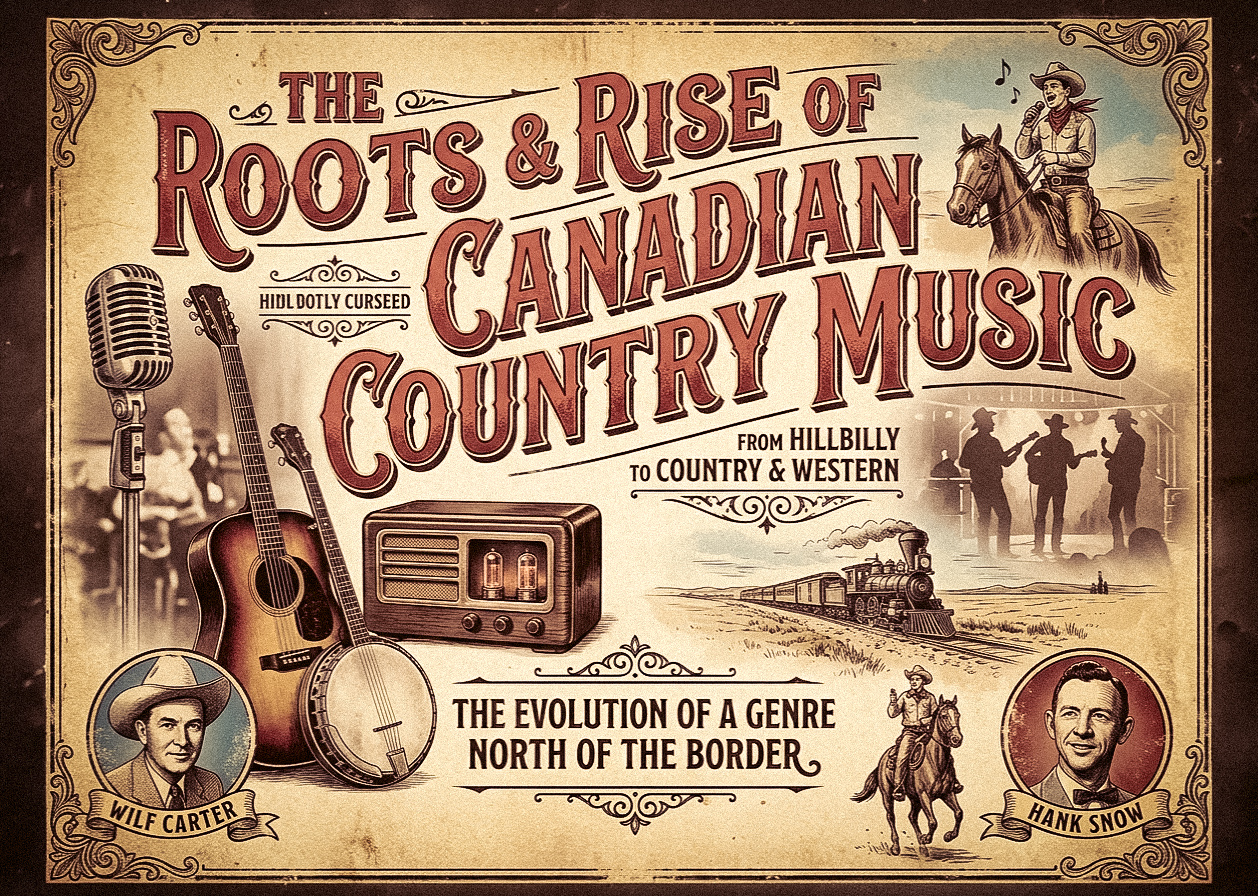
The popular music genre country music has its origins in the southern United States. Known as “hillbilly” in the 1920s and ’30s and as “country & western” in the 1940s and ’50s, its roots can be traced back to the folk songs and ballads brought to North America by Anglo-Celtic immigrants and preserved particularly in the southern United States. Building on the melodic and harmonic simplicity of these folk songs, country music has evolved and steadily diversified under the influence of other pop music genres, developing into a distinct form of pop music without ever losing its roots.
Country music became popular in Canada during the 1920s and 1930s through U.S. radio stations that could be heard across parts of Canada. This led to country music also being broadcast on Canadian radio. With famous artists such as Jimmie Rodgers, the first U.S. country music star, the genre gained its initial popularity on both sides of the border.
The first Canadian country recordings were made at the end of World War I, primarily by French-Canadian traditional instrumentalists.
In 1933, a man named Wilf Carter began making commercial country music recordings in Canada and promptly scored the first nationwide hit by a Canadian artist with the song My Swiss Moonlight Lullabye. The rising popularity of Wilf Carter led Canadian record labels to promote other Canadian country artists, including George Wade (1933), Hank Snow (1936), and Hank LaRiviere (Hank Rivers) (1941). However, the success of their records was limited by the small size and immaturity of the domestic market. As a result, live performances and radio appearances provided a livelihood for Canadian country artists for many years. The Corn Huskers were likely the first country band to tour nationwide in the 1930s—from the Maritimes to the Prairies.
The popularity and stylistic diversification of country music continued to grow during the Great Depression and World War II. Propaganda songs against the enemies Germany and Japan, as well as Hollywood’s singing cowboys Gene Autry, Tex Ritter, and Roy Rogers, were all the rage, a trend that was also reflected in Canada. At that time, Wilf Carter and Hank Snow, along with Earl Heywood, were the stars of Canadian country music.
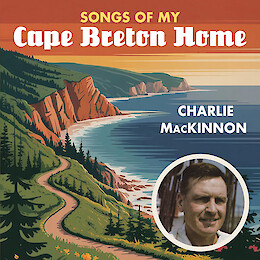
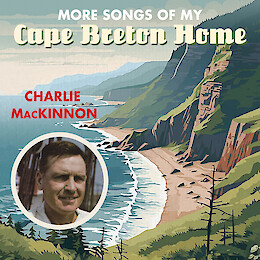
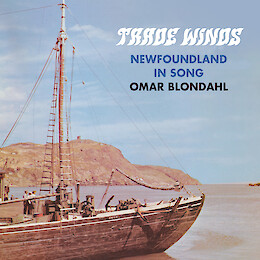
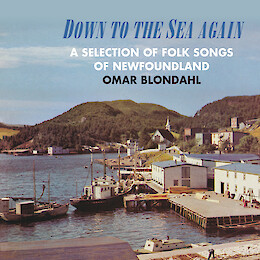
The genre’s continued rise in popularity during the 1940s and 1950s brought a flood of Canadian country musicians to the forefront, including Abbe Andrews and His Canadian Ranch Boys, Allen Erwin (“The Calgary Kid”), Myrna Lorrie, Stu Phillips, Orval Prophet, and The Canadian Sweethearts (Lucille Starr and Bob Regan), to name just a few. In addition to the stars of Canadian country, local Canadian country music scenes had established themselves in all parts of the country, particularly in Quebec, the Maritime Provinces, and Newfoundland. Many of these artists drew inspiration for their songs from local themes and regional folk traditions, modeling their style on the work of other country artists from eastern Canada. Notable representatives include Omar Blondahl (Newfoundland) and Charlie MacKinnon (Cape Breton).
In the mid-1950s, rock ’n’ roll emerged and had a lasting influence on country music, which consequently broadened its stylistic range and successfully carried elements of other pop styles into the 1960s. The fusion of country songs and instrumentation with rock rhythms and attitudes—a development that took shape in the late 1960s in the music of The Byrds, Poco, and other American groups—had already been pioneered in Canada by Ian & Sylvia and was later taken up by The Good Brothers, Ronnie Hawkins, Matt Minglewood, and many others.
Canadian country music generally mirrors its American counterpart, yet it also has its own distinct character. Canada’s ethnic cultures have preserved their individuality and maintained their languages and customs, which form the basis of Canadian country music. Canadian country singers reflect regional accents and generally have deeper, less nasal voices than their U.S. counterparts, with clearer pronunciation and a tendency to speak less slowly and swallow their words less often.
The Canadian style, particularly that of Hank Snow and Wilf Carter, has also influenced American singers. However, significantly more Canadian songs draw on the ballad tradition of North American folk music. Since many of these songs also appeal to audiences outside the country music scene, Canada has a unique group of performers and songwriters (with no notable counterpart in the U.S.) who are popular with both country and urban folk audiences, such as Roy Forbes, Gordon Lightfoot, and Ian Tyson. Conversely, the influence of contemporary folk music can be heard in the songs of country artists Dick Damron and Gary Fjellgaard.
Among the Canadian-born country artists and songwriters who also found success in the United States are Wilf Carter (known as “Montana Slim”), Don Devaney, Sonny Green, Ray Griff, Ernie Hagar, Bob Nolan, Stu Phillips, Ronnie Prophet, Bob Regan, Lucille Starr, Hank Snow, and Scott Turner. Neil Young has made country music one of his many interests and, in the mid-1980s, toured and recorded albums in this genre. Other Canadians have had hit records in the U.S. but have kept Canada as their home (or have returned there), including Gary Buck, Tommy Hunter, k.d. lang, Myrna Lorrie, Anne Murray, Orval Prophet, and Joyce Smith. Among the U.S.-born artists who live in Canada, work there extensively, or record there are Hal “Lone Pine” Breau and his wife Betty Cody, Ronnie Hawkins, Tom Russell, and North Carolina-born George Hamilton IV, who has proven himself to be a passionate advocate for Canadian country music through his recordings and his television show.